

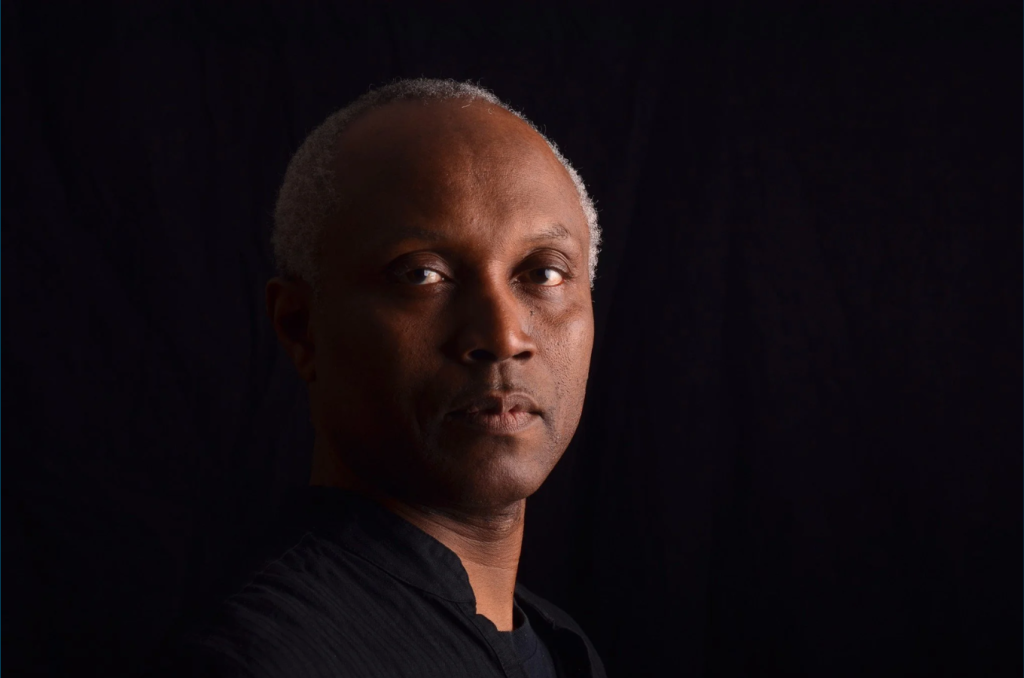
Professor Okey Ndibe, the acclaimed Nigerian novelist and academic, was reportedly held for more than three hours by officers of the Department of State Services (DSS) at Murtala Muhammed International Airport in Lagos earlier this month. Shortly after his release, Ndibe took to Facebook to reassure supporters, writing: “I am fine and in excellent spirits. I treasure your messages and gestures of friendship.”
The DSS has denied that any arrest occurred, describing the incident instead as part of what it called a routine “watchlist clean-up exercise” carried out in line with international standards. However, this explanation has done little to ease concerns within Nigeria’s literary and civic communities, many of whom have questioned why such a procedure would involve an airport stop and prolonged detention-like questioning.
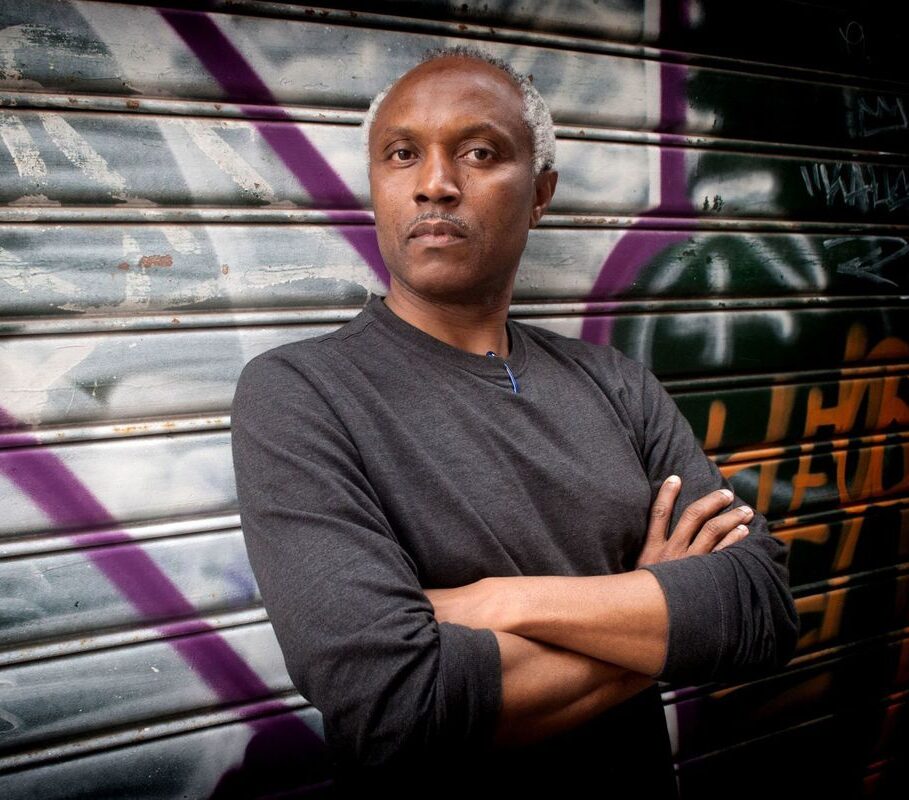
Context shared by writer Elnathan John on social media offered further background, suggesting that Ndibe’s repeated encounters with security checks may stem from an outdated entry on a long-standing government watchlist. According to John, the issue appears to persist from a legacy administrative listing created during military rule, which has never been fully resolved despite changes in government. He also noted, critically, that such problems often remain unaddressed for politically independent writers.
The incident quickly prompted reactions from writers and literary figures across Nigeria and the diaspora. Novelist Chris Abani expressed solidarity with a brief message of support. Brittle Paper founder Ainehi Edoro described relief upon hearing from Ndibe and sent words of encouragement. Publisher Nana Ayebia Clarke MBE also voiced concern while affirming solidarity with the writer. Scholar and poet Professor Remi Raji questioned when Ndibe’s status would finally be clarified, while poet Iquo DianaAbasi offered a simple welcome and expression of care.
The episode has renewed broader concerns about the treatment of writers and public intellectuals in Nigeria, particularly regarding the persistence of security watchlists and the lack of transparency around them. Critics argue that if the intention was administrative correction, there were less intrusive and more accountable ways to address it than an airport detention.
Ndibe, for his part, has remained composed, focusing his response on reassurance rather than confrontation. His statement and the swift response from the global literary community underscore both the fragility and solidarity that continue to define the ecosystem of African letters, where questions of freedom of movement and expression remain deeply intertwined with political reality.