

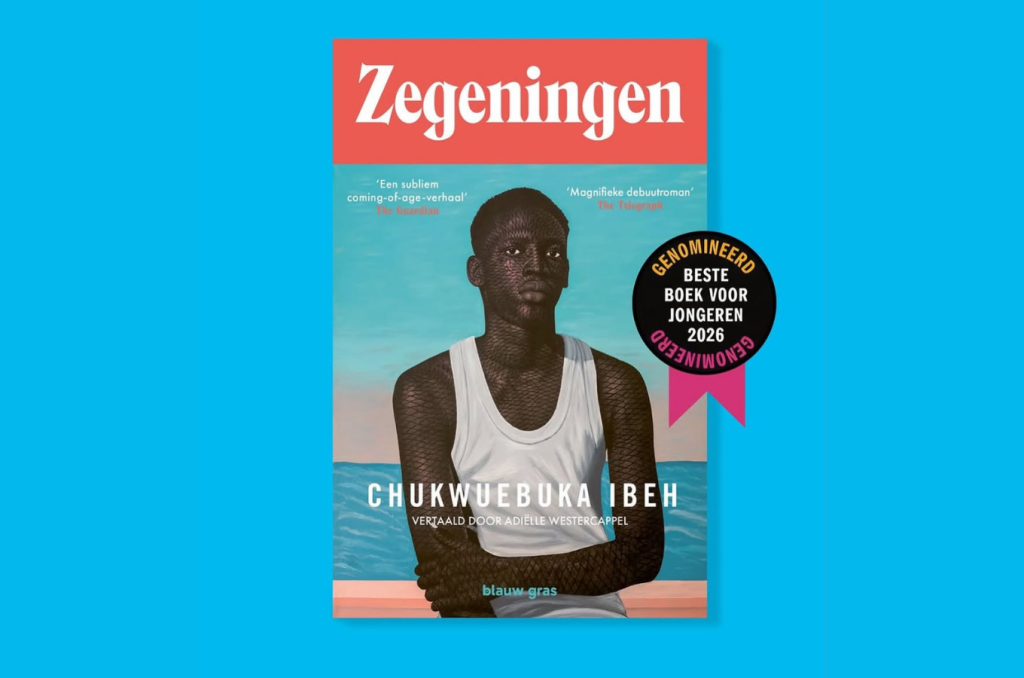
The Dutch translation of Blessings, titled Zegeningen, the debut novel by Nigerian author and former Brittle Paper staff writer Chukwuebuka Ibeh — Chukwuebuka Ibeh — has been nominated for the Beste Boek voor Jongeren 2026, the Netherlands’ annual award recognising the best book for readers aged fifteen to eighteen.
The translated edition, rendered into Dutch by Adiëlle Westercappel and published by Uitgeverij Blauw Gras, is shortlisted in the Vertaald (Translated) category alongside four other titles. The winner will be selected by a youth jury of five readers between the ages of fifteen and eighteen, with the announcement scheduled for Sunday, September 20 at Boekfest in Utrecht.
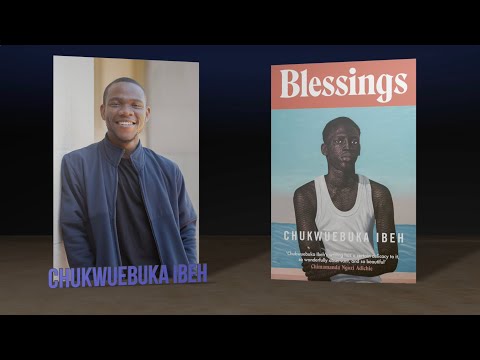
Blessings is a coming-of-age novel set in mid-2000s Nigeria, following Obiefuna, a young gay man navigating identity, desire, and survival in a deeply restrictive social environment. The story begins when his father discovers him in an intimate moment with another boy, leading to his removal from home and placement in boarding school. From there, the novel traces a painful but tender process of self-discovery shaped by violence, repression, and the search for belonging.
Critics have widely praised the book for its emotional precision and narrative depth. The Sunday Times described it as a “tender and enraging queer novel” marking the emergence of a significant new literary voice, while Booklist highlighted its “gripping, multifaceted, and poignant” storytelling, situating Ibeh within a lineage of major African writers such as Buchi Emecheta and Wole Soyinka.
Although originally published for adult audiences, the Dutch publisher notes its strong crossover appeal to younger readers. Its nomination in a prize judged entirely by teenagers underscores how the novel’s exploration of identity, family conflict, and survival resonates across age groups, languages, and cultural contexts.
Established in 2010, the Beste Boek voor Jongeren award is notable for being fully decided by young readers, making it one of the more democratic literary prizes in the Netherlands. The inclusion of Zegeningen in this year’s shortlist reflects both the growing international reach of African literature and the enduring global appetite for stories that speak honestly to questions of identity, constraint, and becoming.