

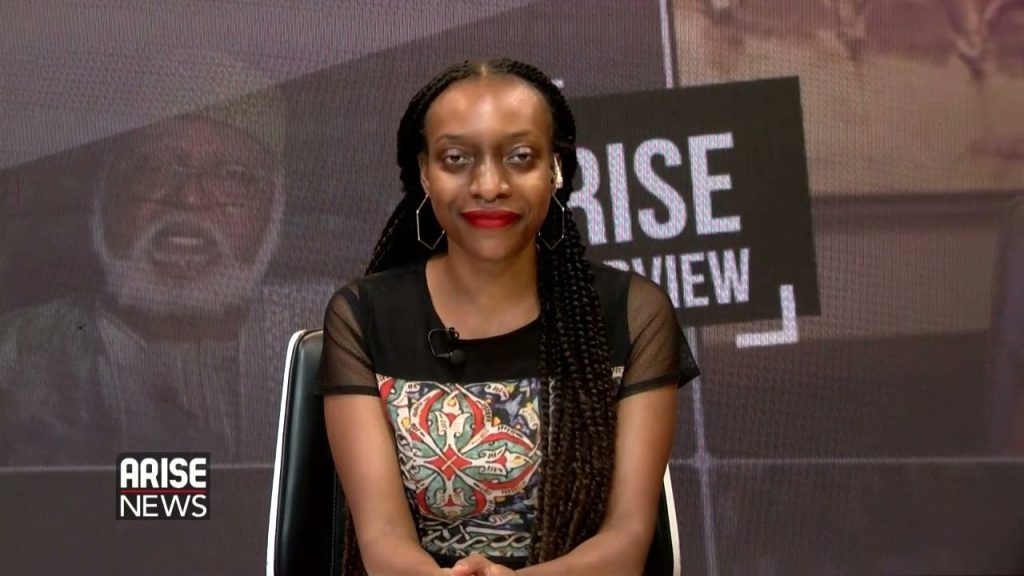
Itoro Bassey — Itoro Bassey — writes with a sensitivity to the emotional and political geographies that shape Black literary life, particularly across diaspora spaces where belonging is never fixed but continuously negotiated. Her essayistic voice is marked by a close attention to conversation, memory, and lived experience, often unfolding through intimate exchanges that expand into wider reflections on history, migration, and collective survival. Rather than treating writing as a purely aesthetic practice, she situates it within the pressures and urgencies of the world, where joy, grief, and uncertainty coexist in constant tension.
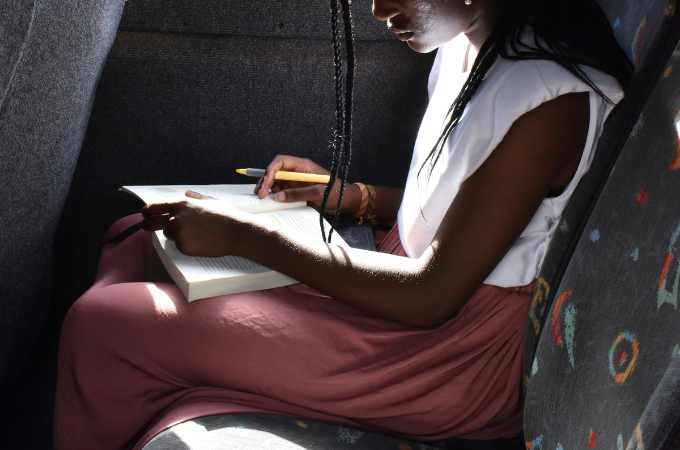
Across her work, Bassey is especially attentive to the emotional economies of exile and displacement, and to the ways Black writers construct meaning and possibility under conditions of precarity. In doing so, she joins a broader tradition of contemporary Black feminist and diasporic writing that insists on the legitimacy of interiority while refusing to separate it from structural reality. Her prose often moves between the personal and the analytical, allowing lived moments to become entry points into larger meditations on race, labor, geography, and imagination. This movement gives her essays a quiet intensity, where even moments of stillness carry the weight of historical and political resonance.
Resilience
When we are punched in the face
We stagger about, blinded
By the fury in the bully’s fist
We wince and gnash our teeth
Upon being declared garbage
Fit for the dumpster and the fire
We carve the insults into song
And dance our way to health
For this is how we win:
We dig deeper into the ground
Our roots wider and sturdier
A barricade against evil winds
We bloom in the scorching sun
And thrive in soils
Designed to choke us to death
– Sylvester Danson Kahyana
In “Where Do Black Writers Find Their Happy Place?”, Bassey extends these concerns into a meditation on joy as both necessity and risk, asking what it means to seek happiness in contexts shaped by violence, instability, and inherited trauma. The essay resists simple resolution, instead tracing how happiness becomes something provisional, often located in language itself, in friendship, and in the act of writing against erasure. In this sense, her work frames literature not as an escape from reality but as a site where reality is examined, reimagined, and sometimes briefly softened.

More broadly, Bassey’s writing contributes to an ongoing conversation in contemporary Black letters about the ethics of representation and the emotional costs of storytelling. She is part of a generation of writers who foreground the fragility of well-being while still insisting on creative persistence, situating writing as both a burden and a form of care. In her essays, the question of what sustains a writer is never abstract; it is grounded in community, conversation, and the fragile but enduring belief that language can hold what the world often fractures.